

November 6, 2026
How to Run a Group Dive Trip: What We've Learned Since 2022
The agreements, payments and people skills that first-time trip organizers rarely see coming, from years of leading groups abroad.
Running a group dive trip well is a customer service job first and a travel job second. A trip is more than a checklist of services delivered: what guests carry home is how they were treated, and guests who feel heard and safe travel with you again.
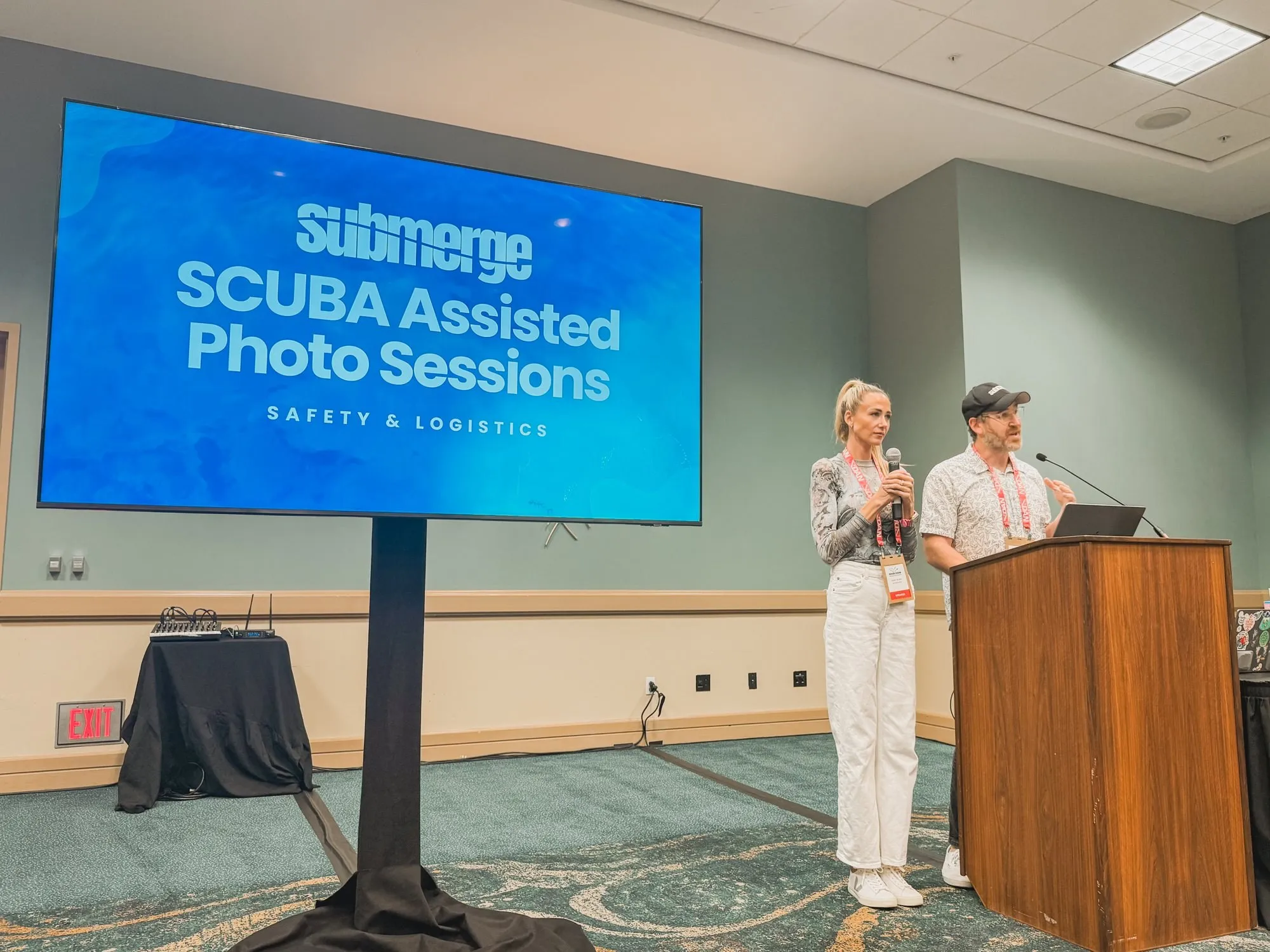
At DEMA 2026 in New Orleans, where we gave three talks, we met a lot of people who want to run a trip of their own: nonprofits, dive shops, mermaid pods, instructors who want to take their students abroad, and content creators with a following that wants to travel with them. Most of them were where we were before our first trip: they don’t know what they don’t know.
We have hosted groups of 20 and more travelers since 2022, in places like Roatán, La Paz, the Maldives, the Red Sea, Bali and Cozumel, and almost everything we know about doing it well, we learned from the people on those trips.
Our first trip was a lesson in people
We took our first group to Roatán in 2022 expecting everyone to travel the way we did. Long days in airports and unfamiliar places felt normal to us, and we assumed our guests would feel the same. Plenty of them did not. Some were nervous about traveling abroad at all, and they arrived carrying more worry than we had planned for.

That worry rarely sounds like worry. A guest who is anxious about being far from home can come across as frustrated, or raise one problem after another, and the easy mistake is to hear only the problem. Underneath the problem, most of the time, is a simpler request: help me feel safe here.
Every one of those conversations has two jobs. The first is the problem itself: put yourself in the guest’s shoes and work with them toward a fix while you are still in the moment. The second matters more. The guest needs to come away knowing you are on their side whatever happens, that you heard them, and that they can trust you.
Neither job works if you take the complaint personally. When a guest is upset, the natural instinct is to defend yourself, your planning or the trip, and that is the opposite of what they need. Their frustration is almost never about you, so keep the conversation about them. Never dismiss a concern, however small it seems or however frustrating it is to hear. A guest who feels brushed aside stops trusting you, and a guest who stops trusting you will not book the next trip.
Trust carries the most weight when a guest brings you something serious, something that took courage to say out loud. How you respond decides whether they ever confide in you again. Listen all the way through, tell them plainly that you care, and act on what they told you. A guest who is met with care in that conversation can become a traveler for life.
The work guests never see
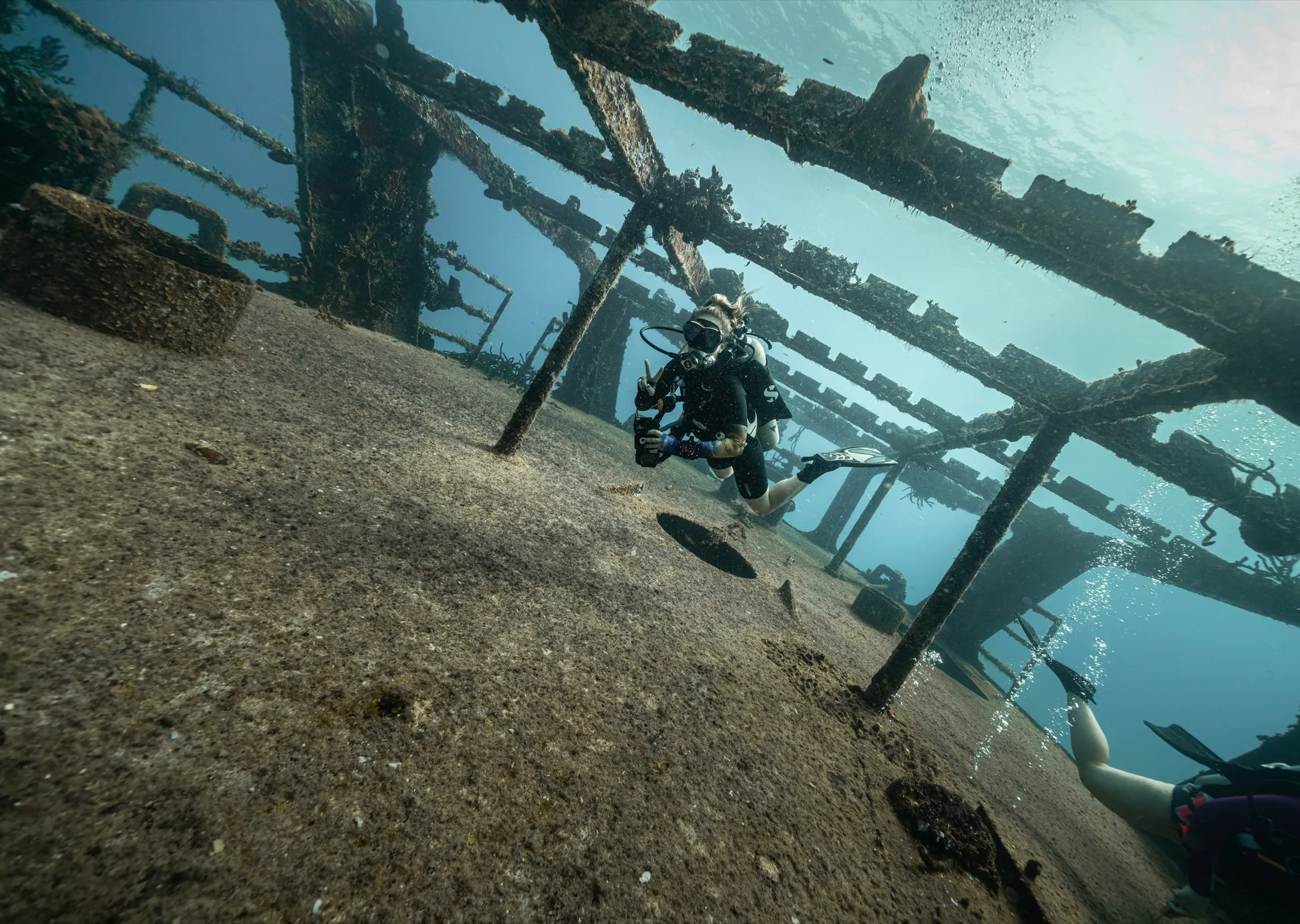
As our trips grew, so did the work behind them. Guests see the boat, the reef and the resort. Behind those sit a travel partner, a written agreement, a payment schedule, a set of trip terms and a signed waiver from every guest, and each one is a decision to make before the first guest books.
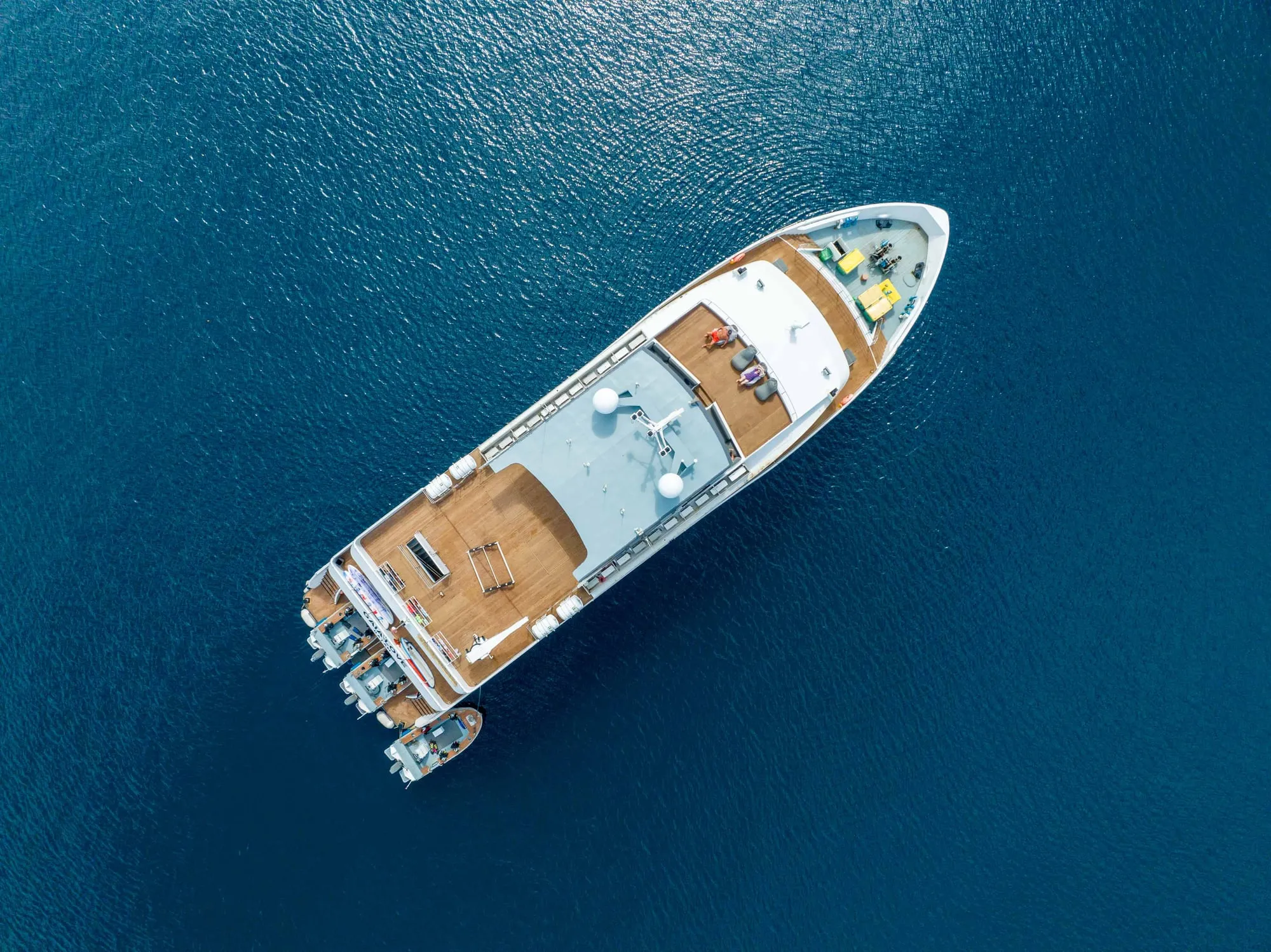
The biggest of those decisions is who books the travel. We have chosen Deep Blue Adventures as the travel partner for our trips, and they are the partner we would choose for any trip we host. They have planned dive and adventure travel since 2004, they are a registered seller of travel in California and Florida with client payments held in a trust account, and guests can reach them for emergency help around the clock, and they know resorts and vendors all over the world.
What sets them apart is how they treat people. Guests hold the host responsible for everything on a trip, including every email, call and decision that comes from the travel partner. Each of those moments shapes whether they trust you, and whether they travel with you again. So the partner you choose has to meet your standard of care and treat every guest with the same compassion you would. We have traveled with Deep Blue and watched them do exactly that: build a trip around each guest, stay patient when life gets in the way of someone’s plans or payment schedule, and take the time to teach hosts and guests how travel works.
Before the first guest books
Get the deal in writing
Whoever you choose, sign an agreement before you commit, and save every document and every message, so both sides are always working from the same deal. These are the things we want on paper with any travel partner:
- Inclusions and exclusions. Exactly what is included, what is not, and at what rate, with taxes and pass-through costs spelled out.
- Cost overruns. Who absorbs a vendor price change after the budget goes out to guests, with a cap or an approval step.
- Vendor confirmations. Current prices confirmed early, so the budget is not built on old pricing.
- Changes. Made only by signed amendment.
- Commission. A payment deadline, an itemized statement, and the right to check the math.
- Comped and staff spots. The minimum group size they depend on, and who covers the cost when the group comes in smaller.
- The guests. Who owns the relationship and the group channels, and who may message or remove a guest.
- Extras. Anything extra you agree in writing to pay for, and only when you are ready to own that cost.
- The exit. How either side can end the agreement.
Know who can take the travel money
Collecting money for travel is regulated, and the rules differ by state. In California, where we are based, anyone who sells or arranges travel has to register as a seller of travel, and the narrow exemption for people who work with a registered seller expects guests to pay that seller directly. That is a big part of why we work with a registered seller: with Deep Blue, guests pay them directly for the travel, into their client trust account.
Build the payment schedule backward
- Start from what you owe. Resorts, dive operators and other vendors each set their own deposit and balance dates.
- Set guest due dates well ahead of them. Guest payments should be in before vendor payments go out.
- Leave a buffer. Room for the guest who pays late keeps every vendor paid on time.
Publish your trip terms
Your trip terms need a permanent home guests can always find, and at a minimum that is a page on your website. From there, reference them everywhere guests look: on every trip page, in your advertising, and in the emails and documents you send. Our trip terms are one example. Good terms cover:
- Travel payments. Who arranges the travel and who takes the money.
- The price. What it includes and what is separate.
- Due dates. When each payment is due.
- Refunds. What is refunded, and when.
- Changes and cancellation. What happens if the trip changes or is cancelled.
- Requirements. Certification and medical requirements for each guest.
- Insurance. The cover each guest needs.
Have every guest sign a waiver
A good waiver covers:
- The risks. Itemized, one by one, for the activities on the trip.
- Fitness to take part. The guest confirms they are medically fit for those activities and hold the certification each one needs.
- Who can call a stop. Any crew member, divemaster or safety diver can pause or end an activity for safety, and the guest agrees to follow that call.
- Personal gear. The guest’s own equipment is their responsibility, including damage from boats, reefs and rocks.
- Release and indemnity. The guest releases the crew, divemasters, guides and safety divers from claims arising from those activities.
- Emergency details. An emergency contact, medical conditions, a certification number, a dive insurance policy, and permission to arrange emergency medical care.
Insurance considerations
- Require dive insurance Make dive accident insurance a condition of booking for every diver on your trip.
- Recommend travel insurance Encourage every guest to buy travel insurance with medical, evacuation and cancellation cover, and link them to providers.
- Cover yourself Look into liability coverage with a broker who knows travel and diving.

Setting the tone before anyone packs
What we learned in Roatán shapes how every trip begins: with a conversation, long before the flight. We talk with each guest one on one about who they are and what they hope to bring home from the trip. That is where we hear about a first trip abroad, a dietary need, a history of anxiety or a diver who is still nervous in the water, and it gives us weeks to plan for each of them instead of minutes.

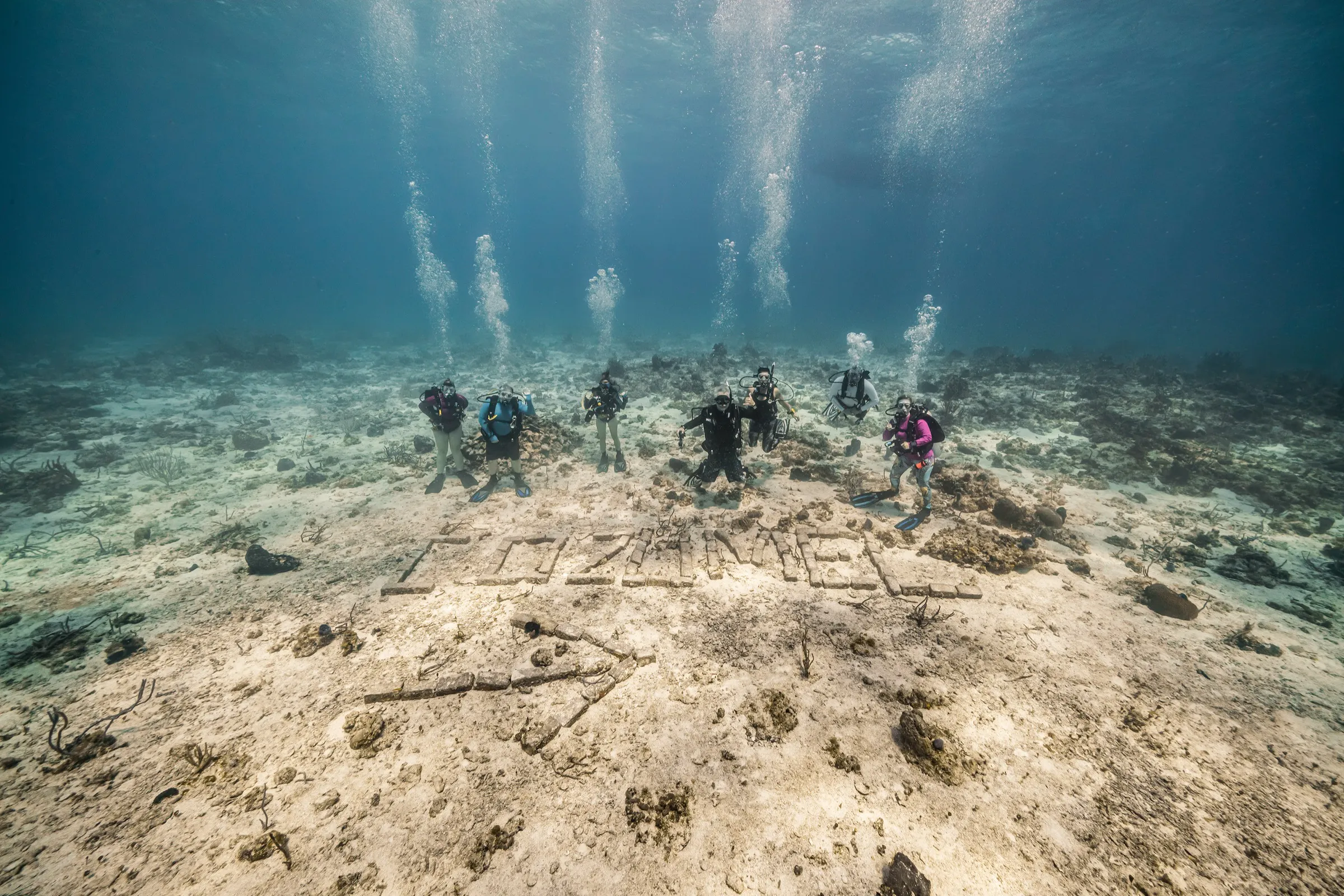
Before departure, the whole group gets on a call. We walk through the trip, answer every question in the open, and use the time to set the tone. International travel is unpredictable, and something will go wrong. We say so plainly, because when plans change, the attitude a group brings makes all the difference. We also ask everyone to treat the trip as one team, there to support each other. A group thread keeps that team connected before, during and after the trip, and we run the whole thing the way we run our creative work, as a collaboration.
The tone needs tending all week. A group takes its mood from its own conversations, and one person’s frustration can spread through a whole trip. When the talk starts to sour, steer it somewhere better early, and remind everyone that they are on the same team, most of all on the day something does not go to plan.
- Talk to every guest first One on one, before they book, about who they are and what they want from the trip.
- Hold a group call Walk through the trip, answer every question in the open, and set the tone together.
- Start a group thread One place for everyone to stay connected before, during and after the trip.
- Keep the door open Thoughts, concerns and complaints are welcome, and met without getting defensive.
- Watch the mood Steer the group toward the good parts early, and remind everyone they are one team.
- Share bad news with care The facts may not change. How you deliver them can.
What a good trip leaves behind
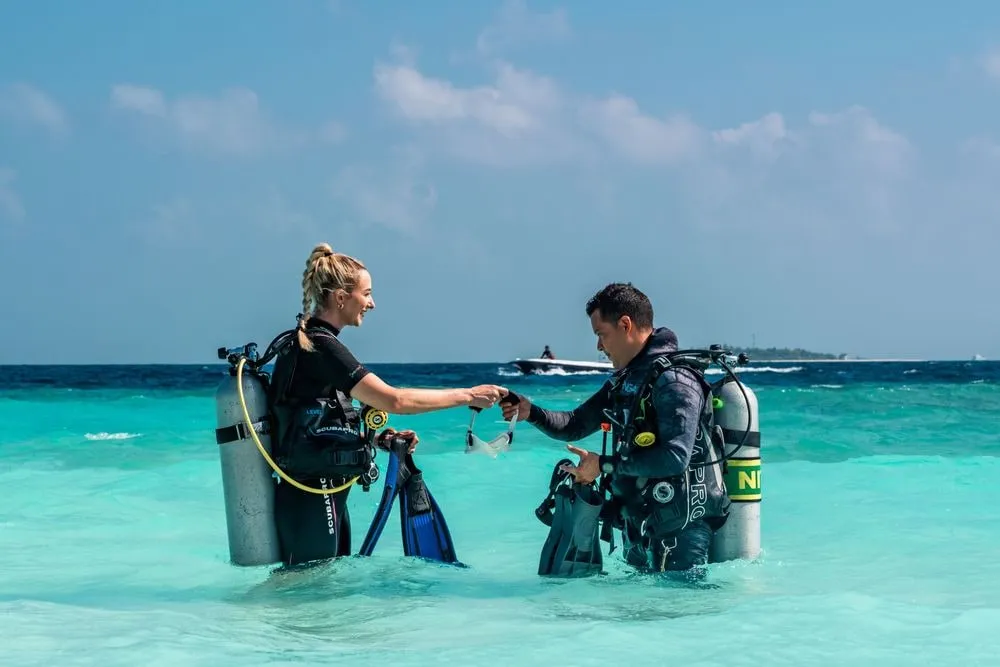
On one of our trips, a guest arrived nervous about her diving. The dives alone were pushing her limits, and modeling underwater felt extreme to her. We noticed early and took away every stressor we could, so she could try her best, explore her limits at her own pace, and feel supported by us and by the rest of the group at every step.
She went home with photographs she loves and a new confidence in the water and in herself. She has since told her followers how safe, friendly and supportive the trip felt, and how proud she is of what she did.
That is the part of a trip people remember. Plenty of travelers find international travel overwhelming and a little scary, so the job takes empathy, flexibility and grace, and guests who feel heard and safe travel with you again. That is also what keeps a trip program going. Margins in group travel are thin, and repeat guests are where a program grows.
Running a trip on your own
You can run a trip on your own. Go in knowing how much of the work happens away from the water: a call with every guest, a group call and a thread to keep up, invoices and payment dates to track against vendor deadlines, confirmations to chase, a signed waiver from every guest, and certification and dive insurance details from every diver. On the trip itself, keeping everything running smoothly takes most of your time and energy. A host takes that weight off you, so you get to enjoy the trip alongside your guests. To see how we run one, our own trips are on the adventures page.
We would love to help
Justin Lutsky and Abbey Blake can host and lead your trip alongside you, or consult while you plan and lead it yourself.
More from the journal

July 22, 2024
Exploring the Depths: An Underwater Cave Photography Adventure
An underwater cave photography adventure through the Cenotes of Mexico with our creative team and collaborators.
November 3, 2025
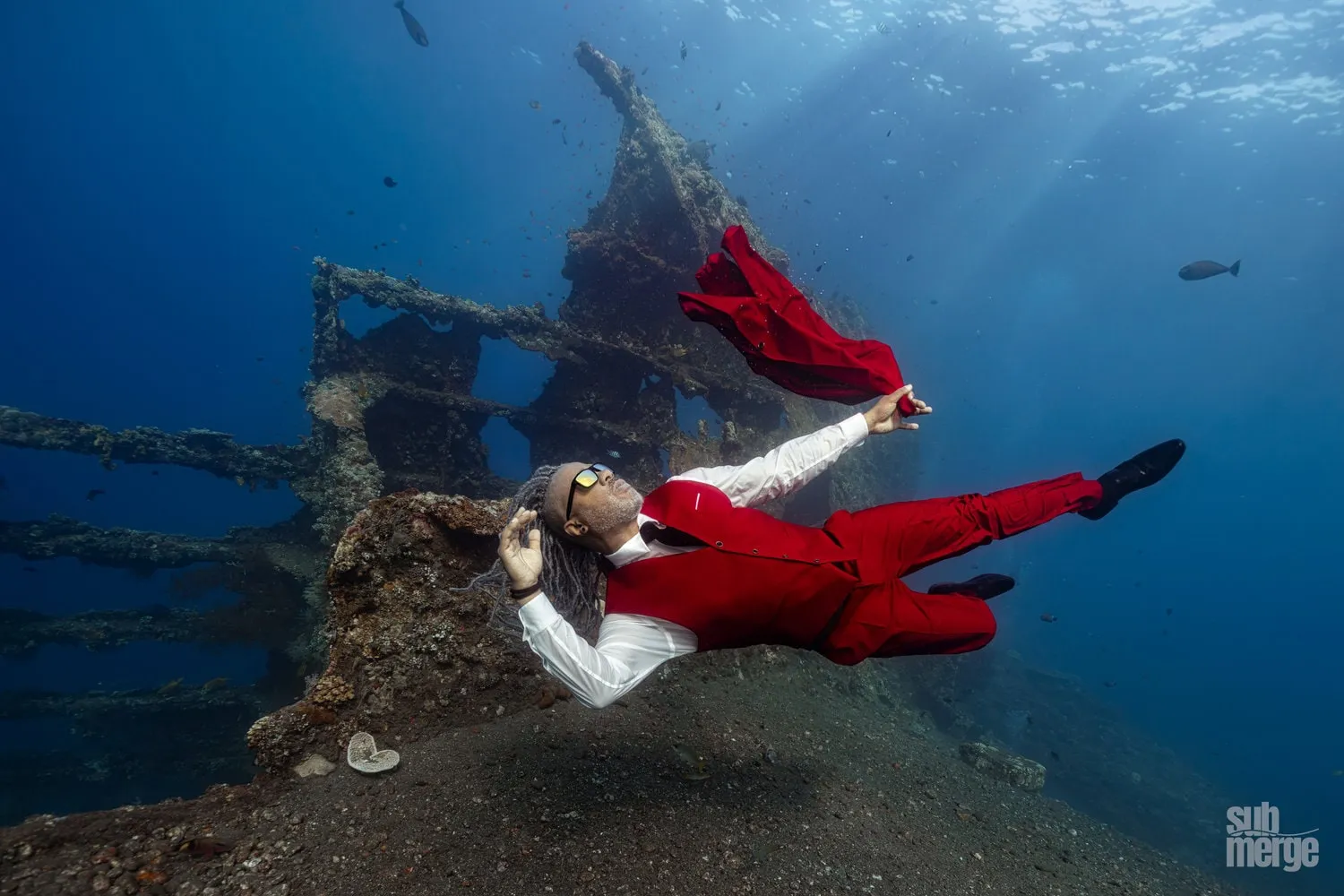
Diving into the Deep: Modeling Adventure in Bali
Recap of an underwater modeling adventure in Bali, from the vibrant reefs of Tulamben to the rice paddies of Ubud.
October 23, 2026
Three Talks at DEMA 2026
Justin Lutsky and Abbey Blake present three free seminars at the DEMA Show in New Orleans, November 3 to 5, on Deep Blue Adventures' seminar schedule.
You're on the list.
Watch your inbox. The next dispatch goes out when the next trip opens. Meanwhile, see what's on the calendar.
That didn't go through.
Something went wrong on our end. Try again, or email[email protected]and we'll add you by hand.