
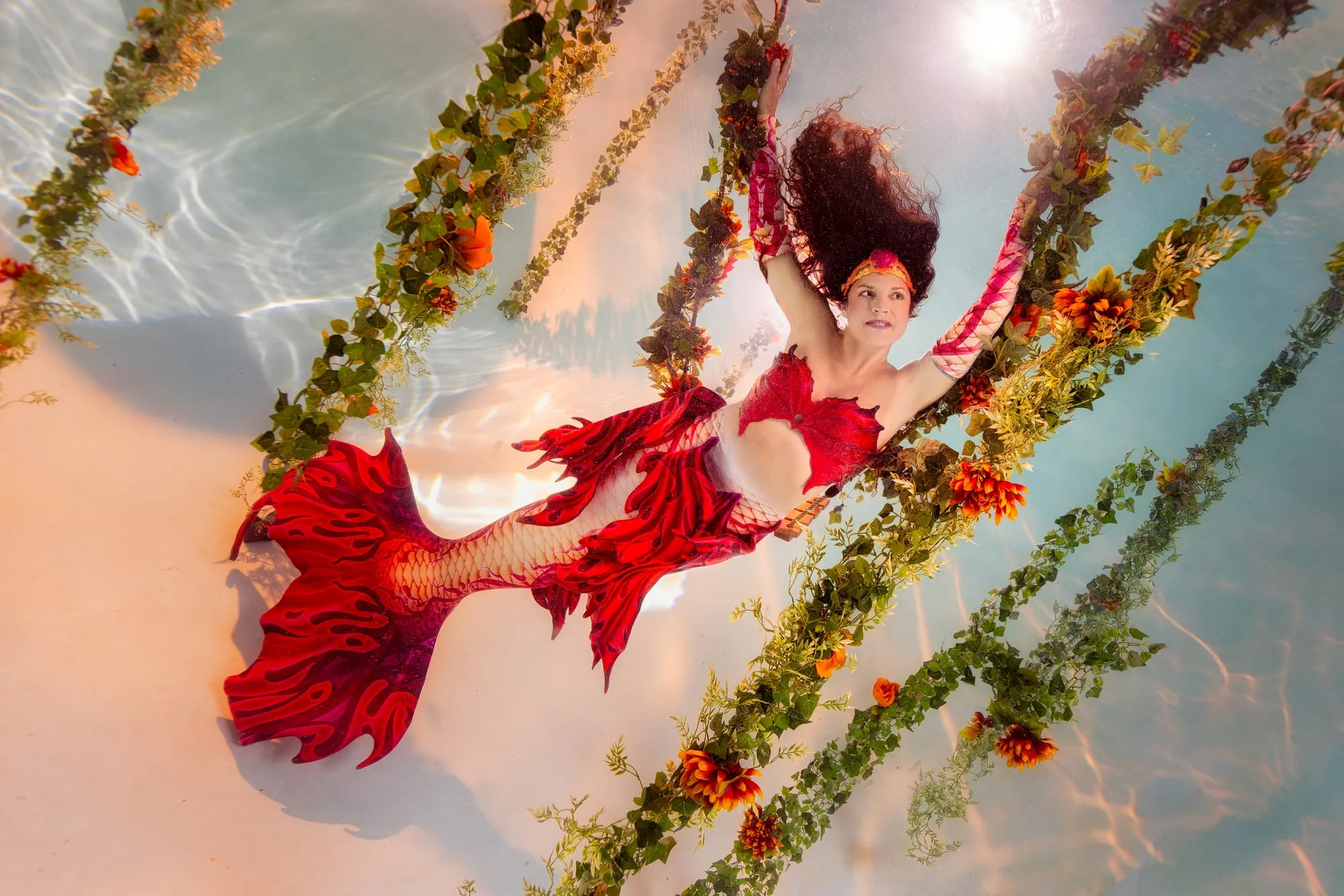
For dive shops
Mermaiding for Dive Shops: How to Turn Tails Into a Revenue Stream
If your shop has a heated pool with empty hours, you are already most of the way to a mermaid program. The skills overlap with what your instructors already teach.
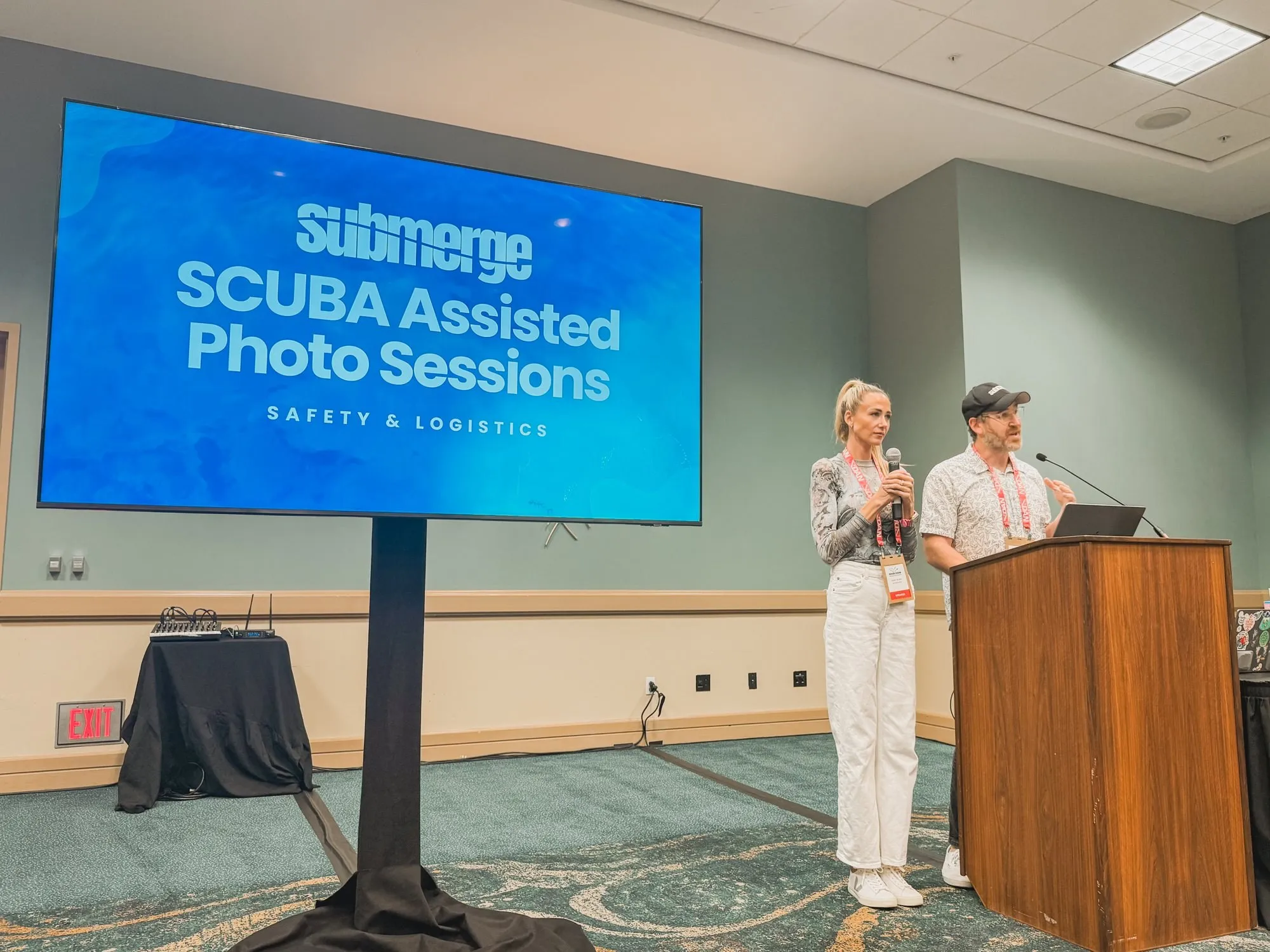
Mermaiding is no longer a novelty. It is a professionalized branch of diving with agency certifications, trained instructors and a customer base that is actively looking for a dive shop to call home. At DEMA 2026 in New Orleans, Abbey gave a talk called Mermaiding as a Revenue Stream: How Dive Shops Can Profit From the Mermaid Economy. This post expands on the talk, with everything we have learned running mermaid programs, photo sessions and dive trips at Submerge Underwater.
Here is the short version: if your shop has a heated pool with empty hours, you are already most of the way to a mermaid program. The skills overlap with what your instructors already teach. The gear is cheap compared to a scuba rental fleet. And the customers it brings in are people who would never walk through your door for a tank fill.
Who is the mermaid customer? Not who most shop owners picture. The typical student is an adult woman between 25 and 55 who wants a fitness experience, a bucket-list moment, or great content for social media. Customers range from age 6 to 66 and up: birthday groups, content creators, adults looking for a new workout, and people who are curious about the water but intimidated by scuba. They are an underserved market, and right now many of them simply cannot find a provider.
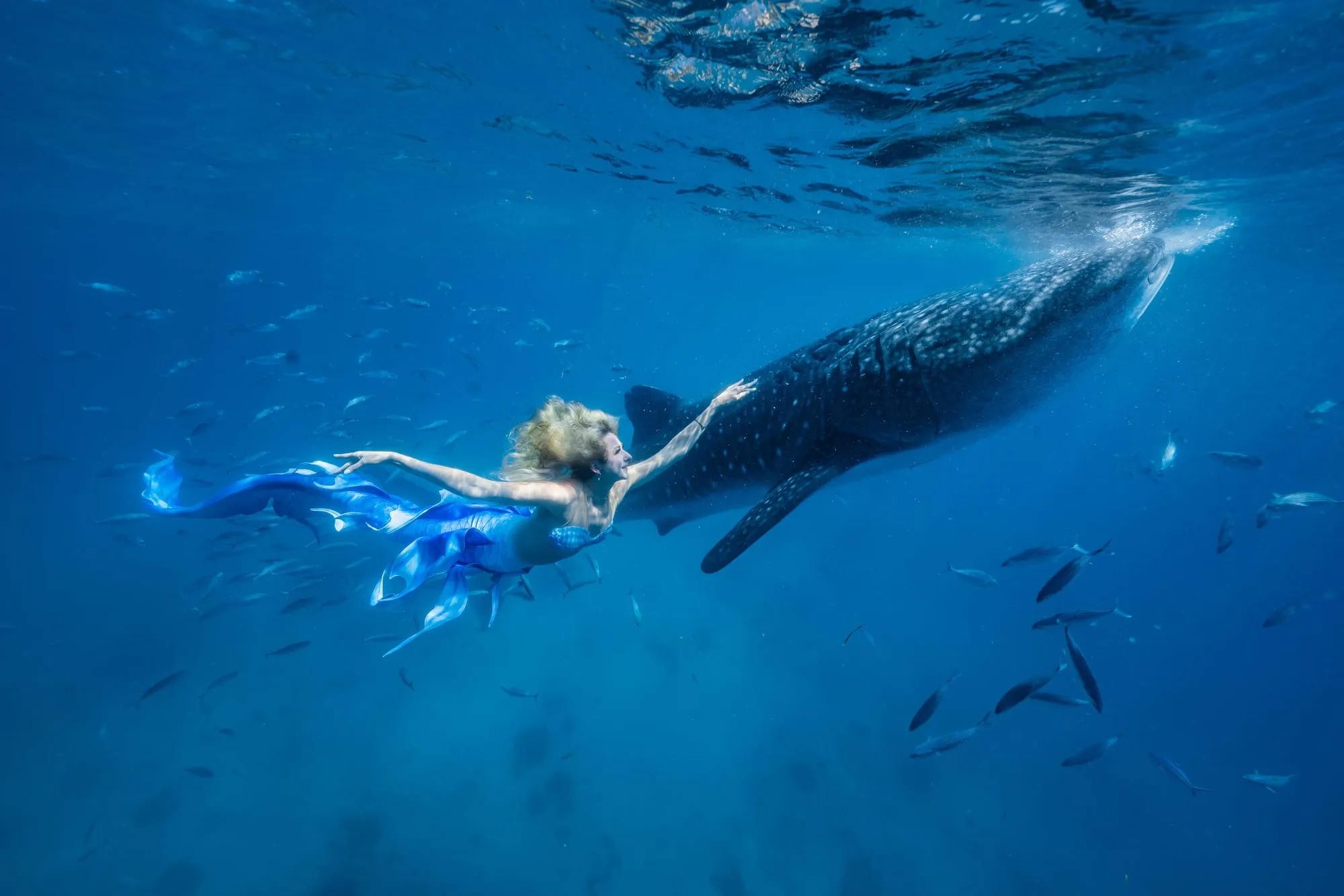
The 3 C’s: what mermaids are looking for
After years of working with mermaids, we have found that almost everything they want falls into three buckets. A shop that delivers all three does not have to chase mermaid customers. They find you, they stay, and they bring their friends.
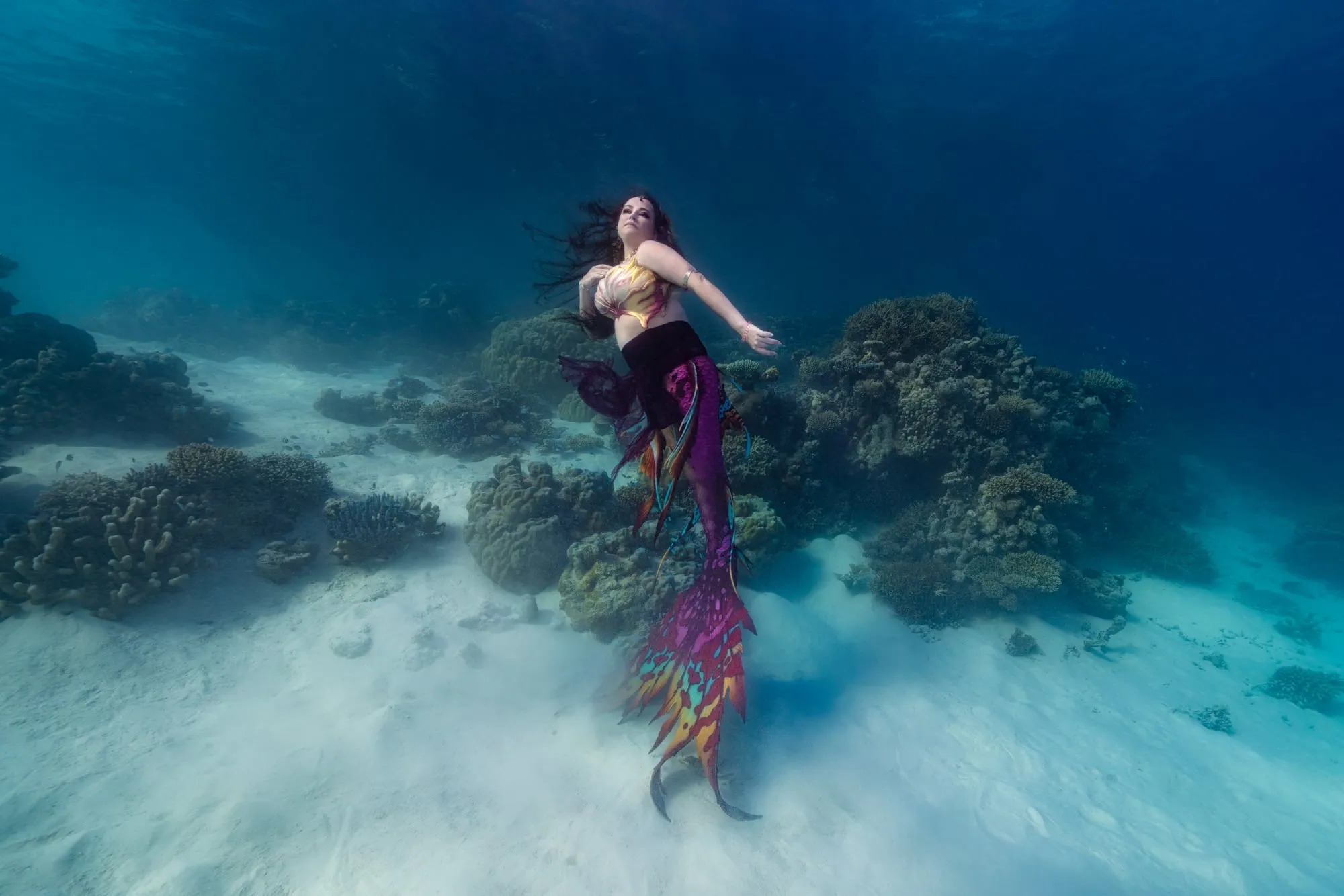
1. Comfort
Many mermaids struggle to find a comfortable, reliable place to swim in their tails. Most public pools do not allow monofins, and a heated pool in winter is gold. Comfort means warm, clean water with room to move, and it means knowing they are actually welcome and will not get waved out of the water by a lifeguard.
This is where dive shops have a huge built-in advantage. Your pool is already heated, and the lights are already on. Midday slots and weekday evenings that scuba classes leave empty are exactly when mermaids want to swim.
- Open swims and meetups. Offer regular pool time to locally certified mermaids. A small fee (or even snacks) gets a commitment.
- Lane rentals. Rent lanes to independent mermaid instructors and performers. No staff, no gear, no lesson plan: open the door, collect the fee. This is the lowest-barrier way into the mermaid market, and you do not need a single tail in inventory to start.
- Consistency. A standing weekly slot beats a one-off event. Reliable access is the whole point.

2. Community
Mermaids are big on community. Mermaid students form tight-knit groups, and they come back for parties, photo shoots and advanced courses. That loyalty becomes recurring revenue that scuba alone rarely generates. Anything that brings mermaids together for a shared experience works:
- Meetups and group swims
- Certification classes that move through the levels together
- Seasonal events and themed photo nights
- Group travel and dive trips
A simple first step: find the mermaid pod groups on Facebook in your area, introduce yourself to the admins, and invite their pods to a hosted meetup with tails available to try.

3. Content
Mermaids love capturing and posting content. Mermaids are inherently Instagrammable, and every class produces photos and video your students will post for free. A single session photo can reach thousands of potential customers without you spending a dollar on ads. Your pool becomes a content studio.
- Ask students and meetup swimmers to tag your shop when they post.
- Run seasonal photo-shoot meetups. Valentine’s Day, Halloween and Christmas themes book fast, and a simple prop set is plenty.
- Package professional content into your courses. One of the most successful programs we know includes a custom video highlight reel with every course, which adds perceived value and doubles as marketing.
How the 3 C’s feed each other
The three C’s are not a checklist. They are a flywheel. Comfort, a reliable place to swim, is what lets a Community form. A community that swims together generates a steady stream of Content. That content reaches new mermaids, who come looking for a place to swim. Every turn of the wheel brings in more people and costs you less in marketing.
Comfort
A warm pool that welcomes tails
- lets a community form
Community
Meetups, classes, trips
- creates content
Content
Photos and video they post
- brings in new mermaids
The economics: cheaper than you think
A starter mermaid fleet costs about the same as two or three rental BCDs, and it can pay for itself in a handful of classes.

The category error
Shops that never add mermaiding usually cite cost. But how you label a purchase changes how it looks on the books:
- A rental BCD is an asset. It earns revenue, depreciates over time and lives on your equipment schedule next to your tanks and regulators.
- A fabric tail and monofin bought for an intro class can be a class expense. Same heading as pool time, printed materials and certification fees.
Both are gear, and both generate revenue. The only difference is the accounting heading. The category label is the barrier, not the budget. (Talk to your accountant about how to book it for your shop.)
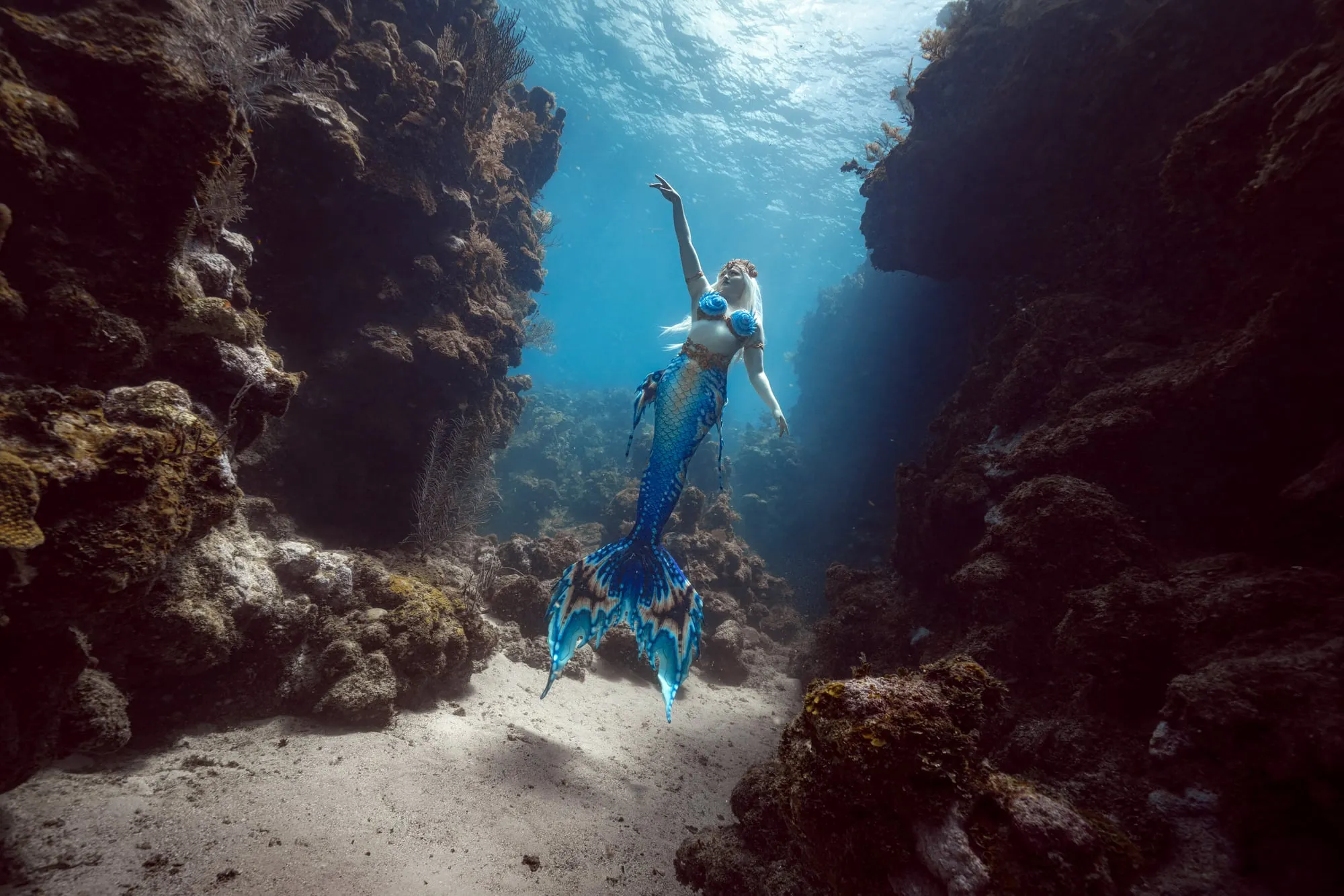
Capacity is equipment
Unlike scuba gear, nobody rents mermaid tails by the hour. Gear is bundled into the class price, so the number of tail setups you own is your class size. If you own two setups, you can only ever teach two students at a time. Every setup you add raises your revenue ceiling permanently.
The napkin math
- 6 adult setups (Mertailor Guppy skin + Mermaid Linden monofin)
- about $1,000 to $1,260
- One full 6-person intro class at $50 to $75 per person
- $300 to $450 gross
- Classes to pay off the fleet, after wages and pool time
- about 5 to 7
Everything after that is capacity you own. For reference, intro sessions across the country typically run $50 for 30 minutes up to $75 for a one-hour experience, gear included.
Try this
Count the empty hours in your pool this month. Multiply by one full 6-person class at $50. That number is the revenue your pool is leaving on the table.
Your empty pool hours
Enter your empty hours
That is revenue before wages and pool time, and it assumes one full class in each empty hour.
Building your starter fleet
Your rental fleet does not need the expensive tails. Think affordable, replaceable and built for pool use.
- Silicone tails ($2,000 to $10,000+) are custom-built to order, like a drysuit. They are personal performance gear for advanced mermaids, not rental inventory.
- Fabric tail skins stretch over a monofin. They are durable, washable and available in bulk.
- Monofins are the functional core of the tail. Rental-grade monofins are inexpensive.
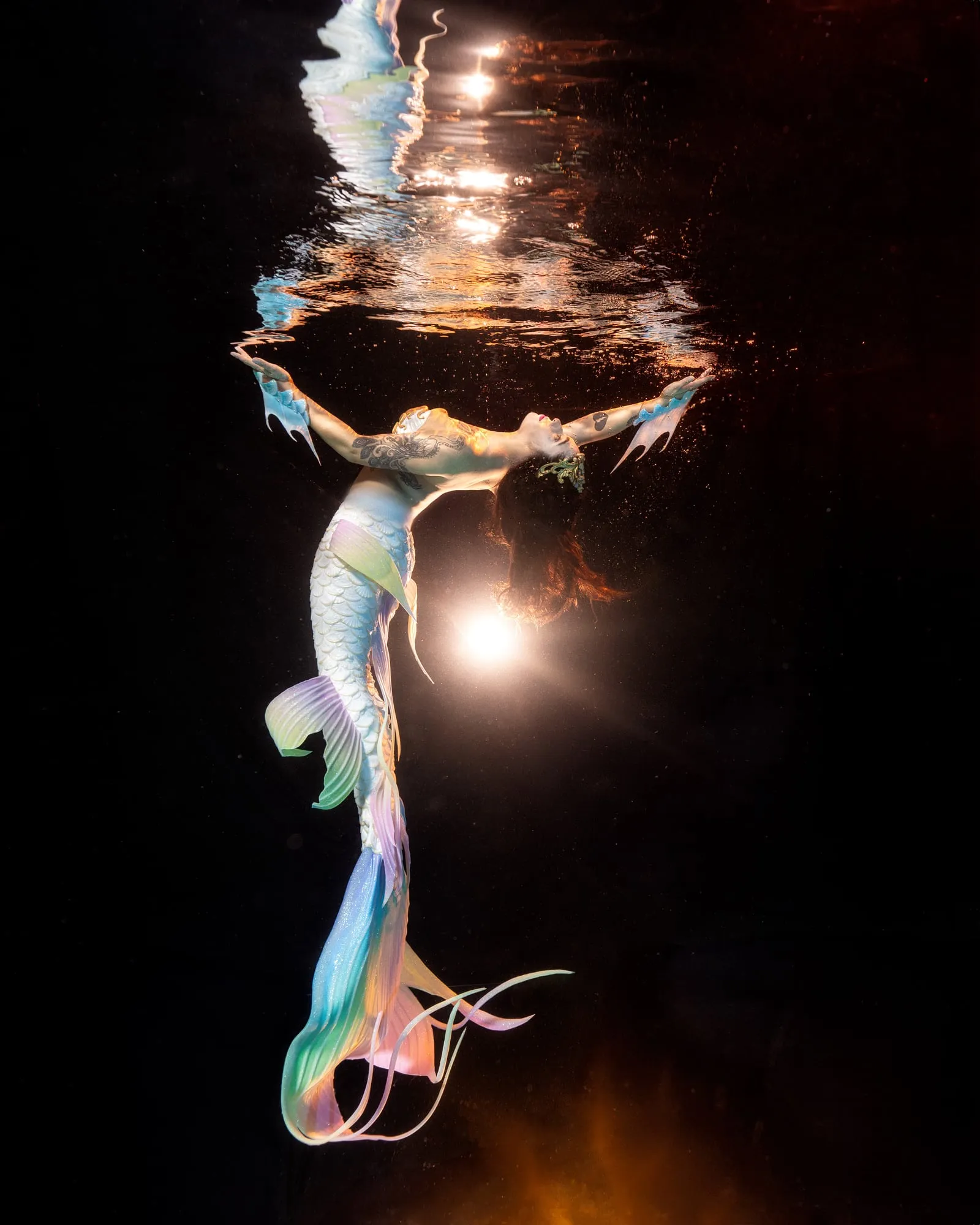

Here are the combos Abbey has personally tested for rental use:
| Gear | Sizes | Approx. price | Best for |
|---|---|---|---|
| Mermaid Linden monofin (adjustable) | Kids and adults | $25 to $60 kids, $65 to $80 adults | Rental fleet core; works with Finfolk and Mertailor skins |
| Mertailor Guppy tail skin | Kids and adults | $70 to $85 kids, $100 to $130 adults | Durable all-around rental pick |
| Finfolk Discovery tail skin | Adults only | $215 to $295 | Step-up fleet or retail |
| FinFun monofin + fabric tail | Kids and adults | $30 to $60 each | Budget kids’ fleet; less durable |
Our recommendation: start with at least 6 adult setups of Mertailor Guppy skins on Linden monofins. They hold up much better to rental wear and tear than budget options. Low-profile masks and freediving fins round out the kit, and you likely already have those.
Care and policies. Fabric tails and monofins last anywhere from a few months to a few years, depending on pool surface, frequency of use and care. Rinse after every use, dry fully, and store flat or hanging, the same way you treat wetsuits. Use the same waiver, card-on-file and damage policy you already have for wetsuit rentals. No new paperwork required.
Tail first, tank second: mermaiding as the gateway to scuba
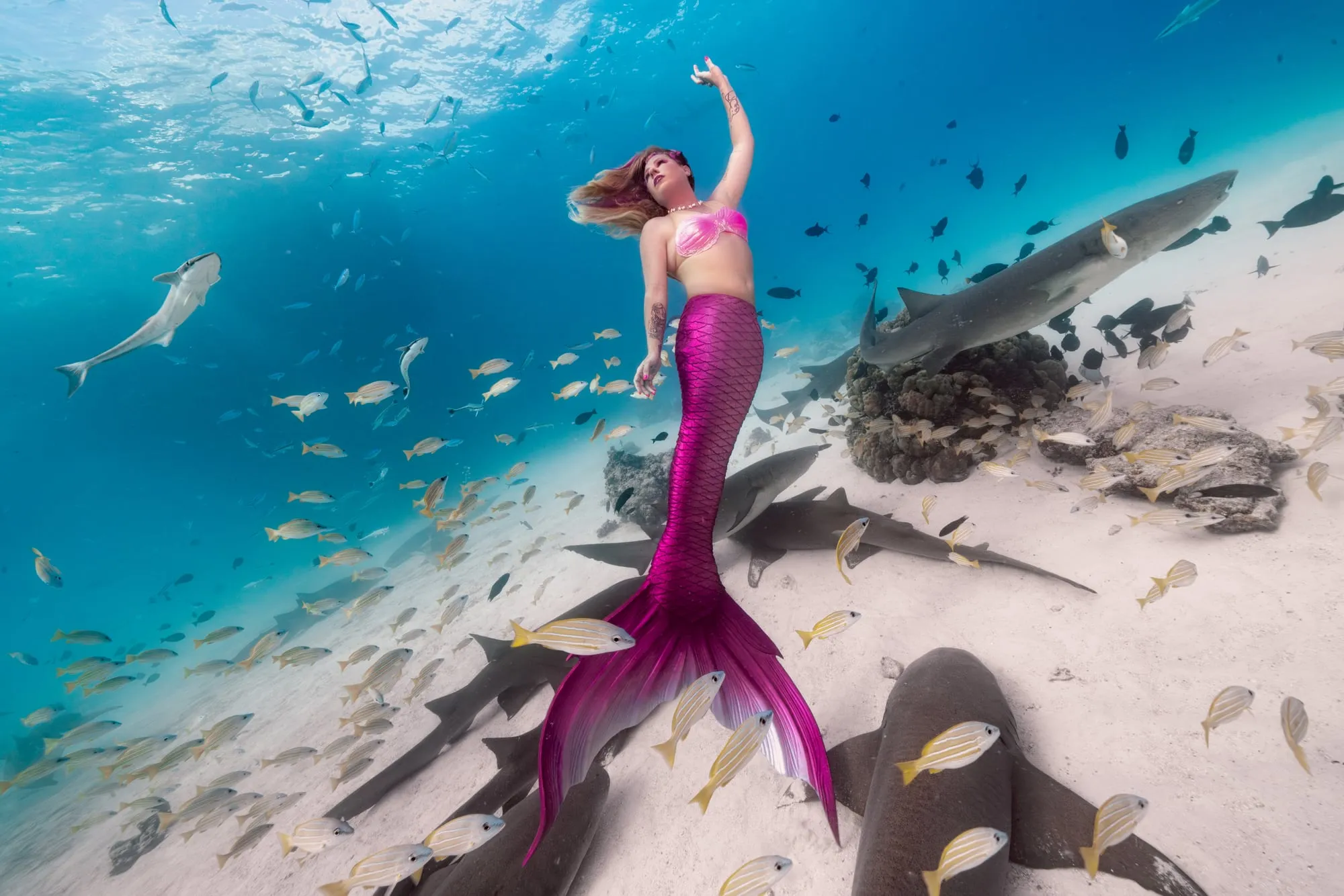
This is the part of the story we care about most. To us, mermaiding is the gateway to scuba diving and every other water sport.
Convincing someone to get scuba certified is hard. It is a big commitment, and for a lot of people it is intimidating: the gear, the depth, the idea of breathing underwater. Mermaiding has a much lower bar to entry, and it appeals to a far broader range of people. Nobody needs convincing to put on a tail and get beautiful photos.
Once they are in your pool, in your gear and trusting your team, the next step becomes a natural conversation. Mermaid students regularly progress into freediving, scuba and mermaid instructor training. You are not competing with your own programs. You are feeding them.
What we have seen at Submerge
At Submerge, we run underwater modeling workshops that are also dive trips, like our Roatán 2027 underwater modeling workshop. Mermaids and models sign up for the content opportunity: amazing underwater photos and video in a world-class location. But to come on the trip, they have to get scuba certified.
So they sign up for the photos, and they get certified just for the trip. And then something happens that they did not expect: learning to scuba dive becomes the bigger deal. It opens up a whole new world, and it changes how they travel and what they do with their free time for years to come. Most of them had no idea it would change their life the way it does.
That is the real opportunity for your shop. The mermaid is the front door. Behind it are Discover Scuba experiences, open water certifications, freediving courses, gear sales and dive travel.
From the rack to the register
The same logic applies to retail. Six sessions in a loaner tail creates the easiest retail sale you will ever make. Students know the fit, love the feel and already trust your shop. One program we know includes gear in its intro and basic courses, then has students bring their own gear for the full certification. By course three, they are not just students. They are retail customers who already know exactly what they want.
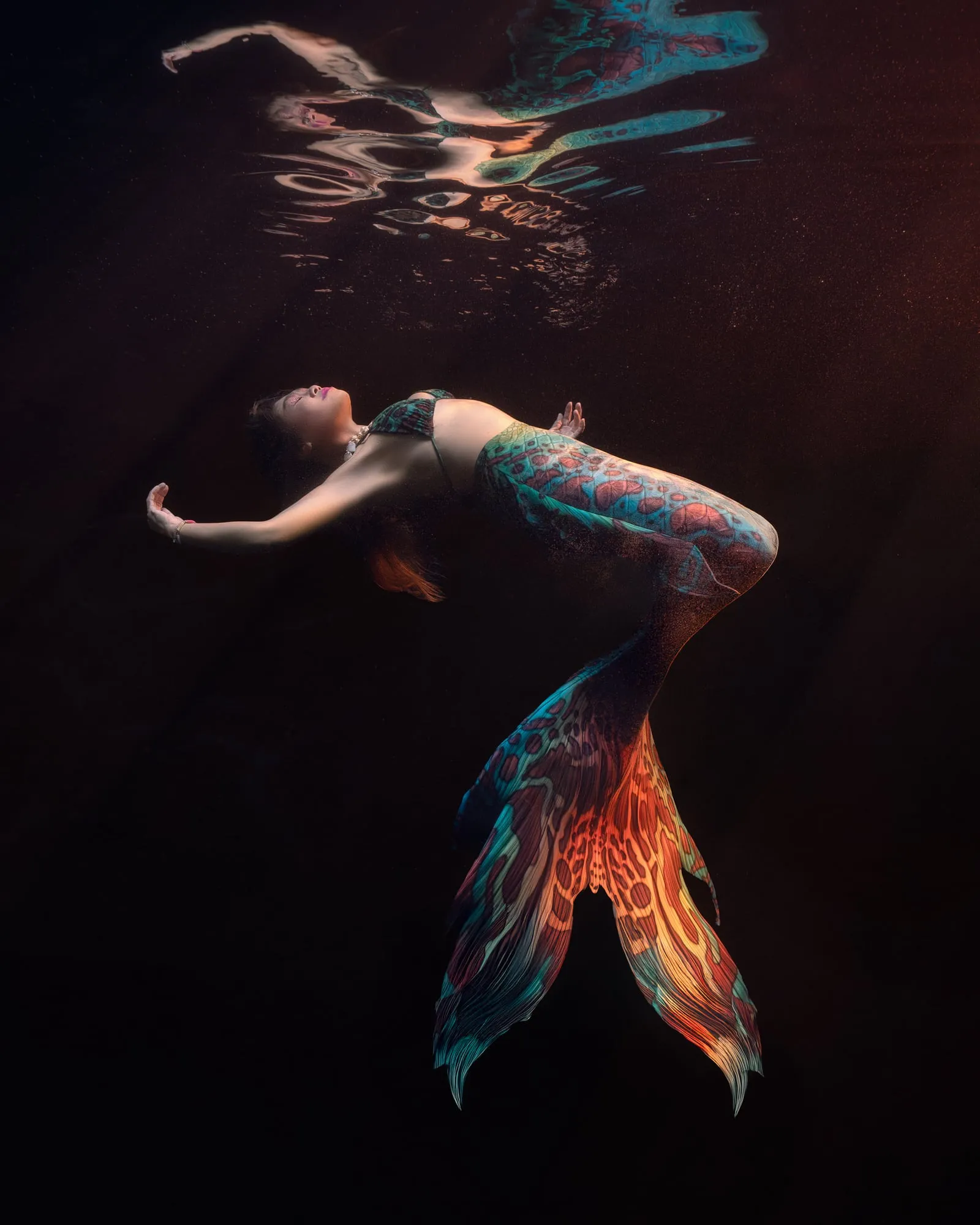

One caution: treat your Try or Discover Mermaid session as a teaser, not the whole course. Let people get in a tail and get some photos, then point them toward the full certification. Make sure your instructors are not giving away the good stuff up front.
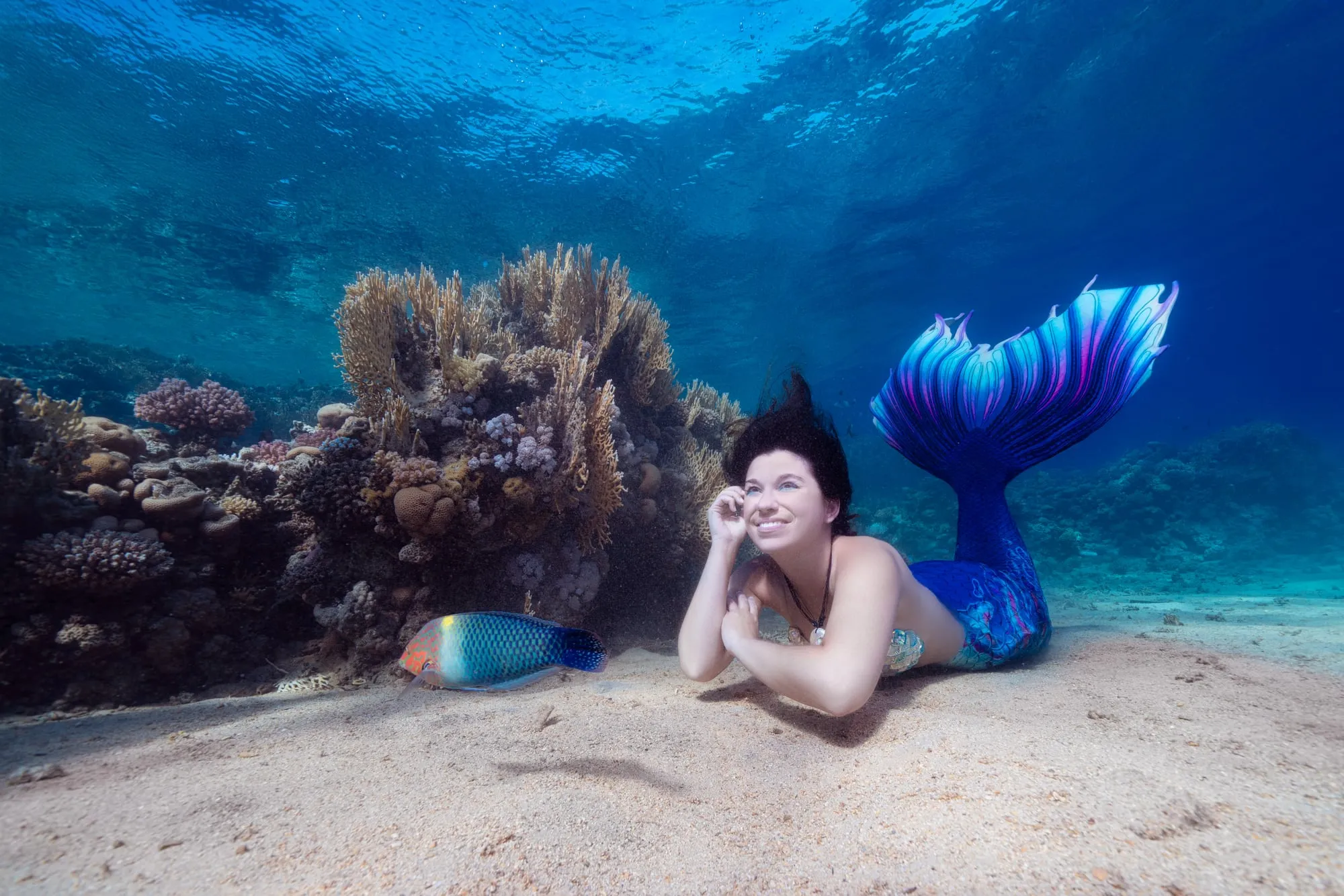
Case study: Aggieland Scuba
Aggieland Scuba in Texas is a real-world example of a dive shop that fully embraced mermaiding and built it into a multi-part revenue stream.
- Instructors 6 certified mermaid instructors and 2 instructor trainers on staff, enough to run multiple sessions at once and mentor the next generation.
- Consistency Mermaid classes run every weekend, without fail. A fixed schedule builds community and keeps revenue predictable.
- Beyond the pool Their Traveling Mermaid Productions offers parties, shows and community outreach.
- Content Every course includes a custom video highlight reel.
- Outreach A free Discover Mermaid event each year on PADI Women’s Dive Day builds goodwill and a steady pipeline of new students.
Megan Blanchard’s advice for shops thinking about dipping a fin in: start slow, stay consistent, and don’t be afraid to lead the trend. In her words, “Building your first Open Water class took effort too.”
Zero to first class in 90 days
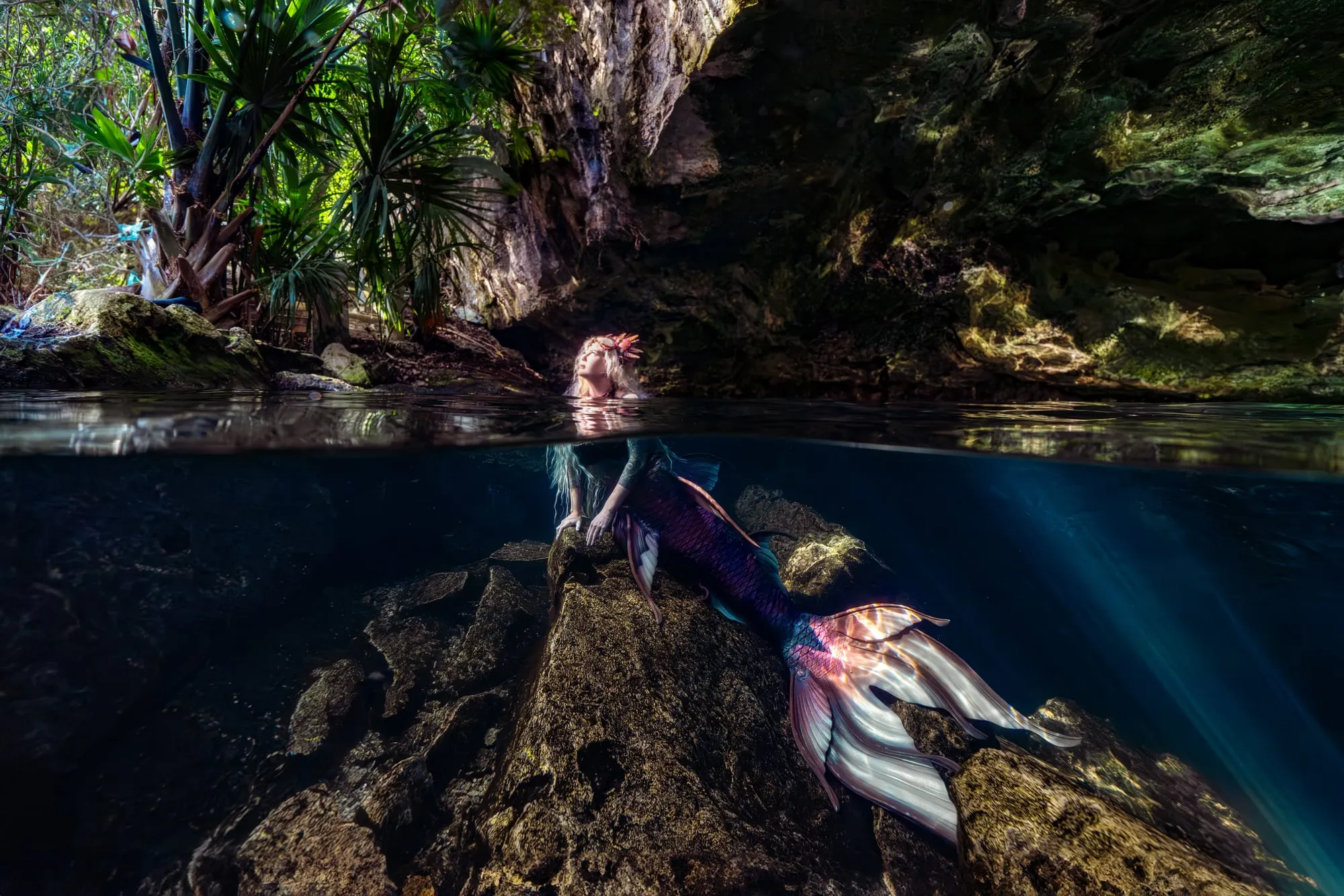
You do not need to build the whole program at once. Here is the launch plan we recommend to shops starting from scratch.
Before you spend anything: test demand. Rent pool time to a local mermaid group, or host a free Discover Mermaid event. Gauge the interest before you buy a single tail.
Month 1
Pool access, community and gear
- Lock in regular pool time: midday weekdays plus a weeknight or two.
- Offer open swims to locally certified mermaids, and reach out to nearby mermaid pod groups.
- Order your starter fleet of 6 adult setups.
- Certify one instructor through PADI, SSI or another recognized agency, or cross-train someone already on staff. Ideally, have a woman lead your Discover events.
Month 2
First events
- Kick off with a free Discover Mermaid event. Think of it as marketing budget.
- Run Try Mermaid sessions: 30 to 60 minutes, $50 to $75 per person. Collect emails and post the photos.
- Plan a seasonal photo-shoot meetup.
Month 3
Build consistency
- Run Try sessions on a fixed schedule, weekly if you can, whether or not anyone signs up.
- Put full certification courses on the calendar.
- Stock a few tail skins and monofins for retail.
By the end of month 3, your fleet should be paying for itself. The single biggest factor in whether a program takes off or stalls is consistency: a fixed schedule and someone on staff who owns the program.
Frequently asked questions
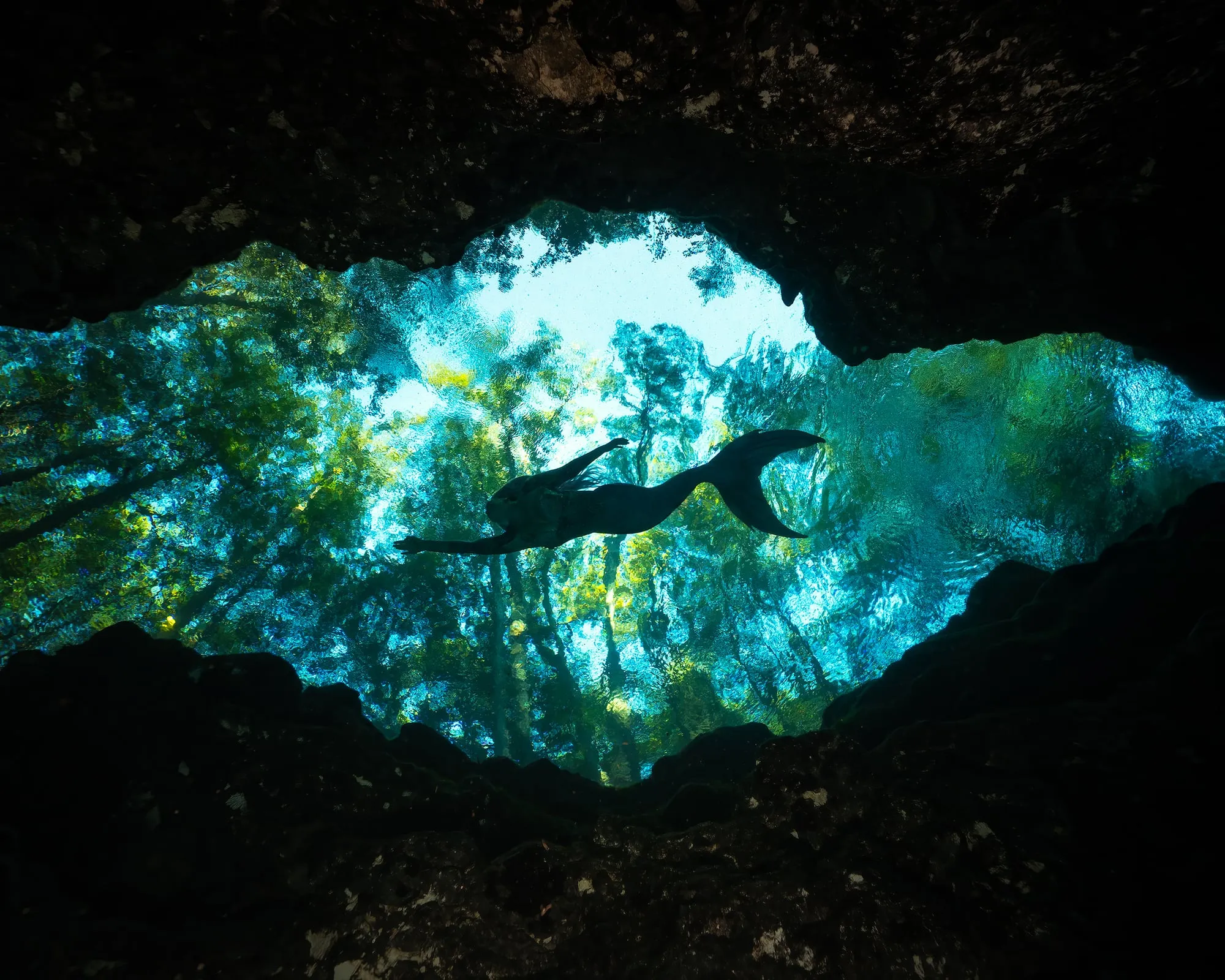
Is mermaiding just for little girls?
Not even close. The typical mermaid student is an adult woman aged 25 to 55, looking for fitness, a bucket-list experience or content for social media. Customers range from age 6 to 66 and beyond.
Will divers take it seriously?
Mermaiding is freediving with flair: dolphin kick propulsion, breath-hold technique, finning efficiency and underwater posing. And the mermaid-to-diver pipeline is real. Many students who start in a tail go on to freediving or scuba.
What about liability?
Run a safety brief, use waivers, keep a card on file and check with your insurer. It runs like any pool program you already operate.
Do I need to build a curriculum?
No. PADI, SSI and other agencies offer mermaid certification and instructor tracks. Your dive instructors already teach the core skills: breath-hold awareness, pool safety and efficient finning. Cross-training takes hours, not semesters. You can also bring in a traveling mermaid trainer for your first season while your team gets certified.
Does it compete with my scuba programs?
It feeds them. Mermaiding reaches people who would never walk in for scuba, and it also competes with yoga studios, barre classes and boutique gyms for fitness customers. As a bonus, many instructors find teaching something new refreshing, which helps fight burnout.
Ready to dip a fin in?
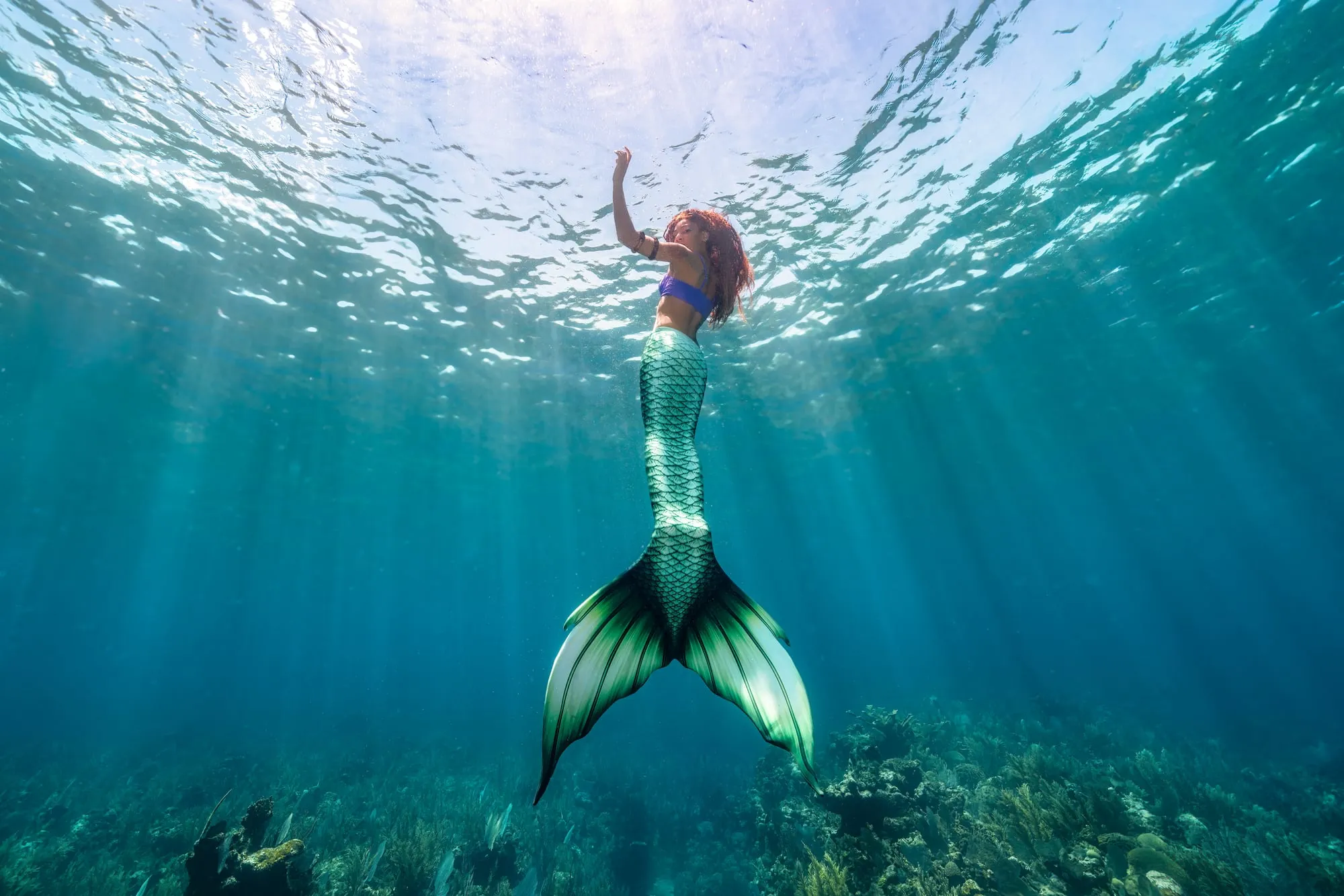
Mermaiding revenue does not stop at the pool deck: certifications, lane rentals, parties and shows, photo shoots, retail, instructor training and travel all grow from the same program. Start with Comfort, let Community form, and the Content will market your shop for you.
If you want help getting started, we can help in a few ways:
- Talks and workshops. We offer our DEMA talks to dive shops, camera clubs, schools and dive groups. See our DEMA 2026 talks and our training page.
- Mermaid travel partnerships. Partner with Submerge on mermaid-themed dive travel. We have done the legwork, your clients get epic photos, and your shop earns a commission. Start with our Roatán 2027 trip.
- Running your own trips? Read our guide to running a group dive trip, or see group trip hosting and consulting.
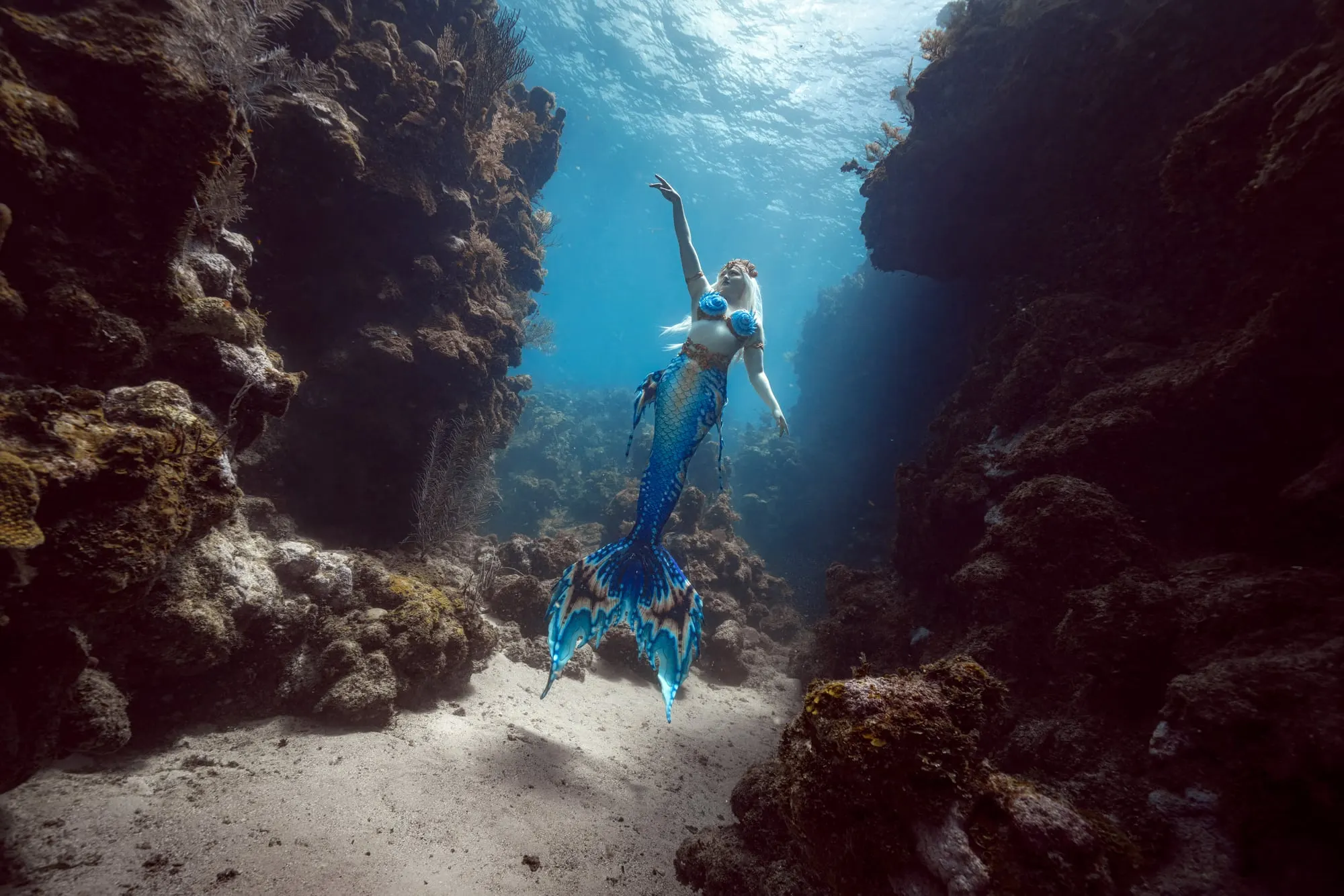
Book a mermaid session
Mermaid Photography
See the sessions
Get certified
Training & Certification
See the courses
See the work
Photography: Mermaids
Open the portfolioWe would love to help
Justin Lutsky and Abbey Blake can bring our talks, workshops and mermaid travel to your shop.
More from the journal
October 23, 2026
Three Talks at DEMA 2026
Justin Lutsky and Abbey Blake present three free seminars at the DEMA Show in New Orleans, November 3 to 5, on Deep Blue Adventures' seminar schedule.

June 17, 2025
Creature Magic at Mermagic Con with Creature Fins
Underwater portrait photography experts at Mermagic Con, booking sessions in California, join underwater model workshop adventures.
November 6, 2026
How to Run a Group Dive Trip: What We've Learned Since 2022
What hosting group dive trips since 2022 taught us about guests, travel partners, agreements, money, terms and waivers, for anyone planning a first trip.
You're on the list.
Watch your inbox. The next dispatch goes out when the next trip opens. Meanwhile, see what's on the calendar.
That didn't go through.
Something went wrong on our end. Try again, or email[email protected]and we'll add you by hand.